GE
GE Aerospace · NYSE
$176.30+1.98%
9 Sep close- Market cap
- $192B
- Sector
- Industrials
Smart money flow
Insider, 13F and congressional transactions, with filing dates
Loading
by 3 members
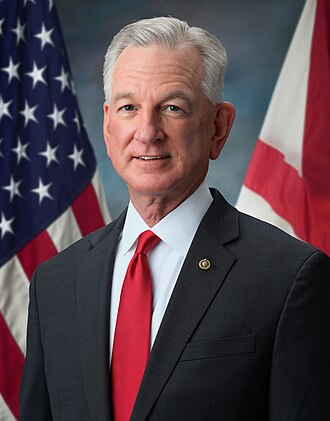
Tommy Tuberville only bought
range $115k–$300k; sales ≈ $383k est.
Up to 29 days; the law allows 45
4 reports by 3 members of Congress. One line a report.
| Member | Seat | Side | Estimate | Disclosed range | Instrument | Owner | Traded | Filed | Lag | Report |
|---|---|---|---|---|---|---|---|---|---|---|
| Kevin Hern | House · R-Oklahoma | Sell | ≈ $375k est. | $250k–$500k | Stock | Member | 31 Jul 2026 | 26 Aug 2026 | 26 d | |
| Kevin Hern | House · R-Oklahoma | Buy | ≈ $175k est. | $100k–$250k | Stock | Member | 22 Jan 2026 | 19 Feb 2026 | 28 d | |
| Tommy Tuberville | Senate · R-Alabama | Buy | ≈ $32.5k est. | $15k–$50k | Stock | Member | 10 Jul 2026 | 8 Aug 2026 | 29 d | |
| Rob Bresnahan | House · R-Pennsylvania | Sell | ≈ $8.0k est. | $1k–$15k | Stock | Member | 22 May 2026 | 16 Jun 2026 | 25 d |
Estimated purchases against sales, from the disclosed ranges. The bar is the member's balance against the largest balance on the page.
| Member | Seat | Bought, est. | Sold, est. | Net flow |
|---|---|---|---|---|
| Kevin Hern | House · R-Oklahoma | ≈ $175k | ≈ $375k | ≈ −$200k |
| Tommy Tuberville | Senate · R-Alabama | ≈ $32.5k | none | ≈ +$32.5k |
| Rob Bresnahan | House · R-Pennsylvania | none | ≈ $8.0k | ≈ −$8.0k |
One marker a report, on the day the trade was made: a purchase up, a sale down. A STOCK Act report gives the amount as a range and is filed weeks after the trade; each marker gives both dates. Select a marker for its figures.
The series read here does not reach back this far.
GE closed at $134.6 on 2025-09-09 and $176.3 on 2026-09-09. Drawn as a line of daily closes. 4 marked trades in this range: Kevin Hern: sale, 31 Jul 2026; Tommy Tuberville: purchase, 10 Jul 2026; Rob Bresnahan: sale, 22 May 2026; Kevin Hern: purchase, 22 Jan 2026.
Every 13F figure is of the last complete quarter — one whose 45-day deadline has passed, rolled to the next business day — never of a quarter still filing. That is Q2 2026, due 14 Aug 2026.
Institutional ownership is an estimate: the quarter's whole reported value, less its option lines at the quarter's own price, over the company's value at that price and today's share count. A manager that files for an affiliate as well can be counted twice, so it can run high.
Each event starts from a weight — an insider's open-market purchase 100 (×1.5 for an officer, ×0.5 under a plan), several insiders buying within weeks 90, the CEO's discretionary sale of $1 million or more 90 (another top officer's 60), a super investor's new position 60 (×1.5 at 1% or more of the portfolio), an exit 50, a move of a quarter or more 40 (×1.25 at 2% or more of the portfolio), institutions' net of 1% of the shares 50 or holders up or down 5% 40, and a member's five or more reports, or one of $50,001 or more, 30 — and loses weight with age, down to half after six months. The five strongest are shown, larger amounts first on a tie; where pre-planned sales are most of what insiders sold, the four strongest are shown and one more line says so.
Why purchases weigh most: studies of insider trading find that purchases carry the information and sales mostly do not, that pre-arranged and routine trades carry none, and that a fund's largest weights are its strongest views. Studies of members' trades find no consistent outperformance.